Discography
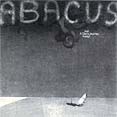
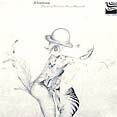
ABACUS (September 1971 - Polydor)
JUST A DAY'S JOURNEY AWAY (May 1972 — Polydor)
EVERYTHING YOU NEED (December 1972 — Polydor)
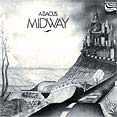
MIDWAY (January 1974 — Polydor)
CARRIBEAN SUN/ BELIEVE IN MUSIC (1982 — EMI Columbia)
FIRE BEHIND BARS (June 2001 — Musea)
RETROSPECTION (July 2004 — Pängg Distribution)
DESTINY (June 2010 — Musea)
JUST A DAY'S JOURNEY AWAY! (December 2011 — New Music - Green Tree)
ABACUS (2012 — New Music - Green Tree)
EVERYTHING YOU NEED (2012 — New Music - Green Tree)
MIDWAY (2012 — New Music - Green Tree)
ARCHIVES 1 (2014 — New Music - Green Tree)
EUROPEAN STORIES (2016 — New Music - Green Tree)
ARCHIVES 2 (2016 — New Music - Green Tree)
ARCHIVES 3 (2018 — New Music - Green Tree)
HIGHLAND WARRIOR (2021 — MIG-Music GmbH)
ABACUS plays ABACUS (2022 — New Music - Green Tree)
Sampler: Krautrock Vol.5 (2013 — www.targetmusic.de)
Sampler: Kraut! - Teil 1 (2020 — https://www.bear-family.com)
JUST A DAY'S JOURNEY AWAY (May 1972 — Polydor)
EVERYTHING YOU NEED (December 1972 — Polydor)
MIDWAY (January 1974 — Polydor)
CARRIBEAN SUN/ BELIEVE IN MUSIC (1982 — EMI Columbia)
FIRE BEHIND BARS (June 2001 — Musea)
RETROSPECTION (July 2004 — Pängg Distribution)
DESTINY (June 2010 — Musea)
JUST A DAY'S JOURNEY AWAY! (December 2011 — New Music - Green Tree)
ABACUS (2012 — New Music - Green Tree)
EVERYTHING YOU NEED (2012 — New Music - Green Tree)
MIDWAY (2012 — New Music - Green Tree)
ARCHIVES 1 (2014 — New Music - Green Tree)
EUROPEAN STORIES (2016 — New Music - Green Tree)
ARCHIVES 2 (2016 — New Music - Green Tree)
ARCHIVES 3 (2018 — New Music - Green Tree)
HIGHLAND WARRIOR (2021 — MIG-Music GmbH)
ABACUS plays ABACUS (2022 — New Music - Green Tree)
Sampler: Krautrock Vol.5 (2013 — www.targetmusic.de)
Sampler: Kraut! - Teil 1 (2020 — https://www.bear-family.com)
Info from the year 2021
ABACUS (the name is based on the ancient calculating tool Abacus) is a German "Krautrock legend". The band, founded in Hamm/Westphalia (Germany) in 1971, had their breakthrough at the Germersheim Rock Festival (2. British Rock Meeting) in 1972, where they were celebrated in front of over 100.000 music fans just like Pink Floyd, Wishbone Ash or Status Quo, who also performed at this event. In the 1970s, Abacus released four records, the last three were recorded in Giorgio Moroder's "Musicland" studios in Munich. Global record sales, numerous national and international tours, TV and radio shows helped Abacus to become a top act – not only in Germany. Musical differences led, among other things, to the musicians splitting up in 1976. Klaus Kohlhase, bass guitarist and "motor" of Abacus, revived the band in 1979. He eventually found the musicians who helped to refine the Abacus sound. In 1982 Abacus signed a new record deal with the EMI in Cologne. That was followed by contracts with Musea Records/France and Numusi/Berlin, Germany. In addition to the re-release of the first 4 albums on CD, previously unreleased song material was released under the title "Archives 1-3".
Five years after the release of their last album "European Stories" and exactly on the occasion of the band's 50th anniversary, the fan is faced with the new Abacus album. "Highland Warrior" is a concept album, it is the musical saga about Robert I., the first King of Scotland (* 11 July 1274; † 7 June 1329 in Cardross, Dunbartonshire), better known as "Robert the Bruce".
Der Name Abacus basiert auf das griechisch/römischen Brettspiel Abakus, die Band wurde 1971 in Hamm gegründete und schaffte ihren Durchbruch auf dem Germersheim-Rockfestival (2nd. British Rockmeeting), wo sie vor über 100 000 Musikfans genauso gefeiert wurden wie die ebenfalls auftretenden Pink Floyd, Wishbone Ash oder Status Quo. In den 1970-ern veröffentlichte Abacus vier Langspielplatten, von denen die letzten drei in Giorgio Moroders “Musicland” in München aufgenommen wurden. Aufgrund der in aller Welt verkauften Platten, zahlreichen Tourneen im In- und Ausland, TV- und Radiosendungen wurde die Band nicht nur in Deutschland zu einem Top-Act. Musikalische Differenzen führten u. a. dazu, dass sich die Musiker 1976 trennten und 1979 zunächst unter dem Namen der britischen Abacus Urväter Grail zurück ins Musikgeschäft fanden. 1982 erhielt die Band dann wieder unter dem Namen Abacus einen Vertrag bei der EMI in Köln. Im weiteren Verlauf folgten mit neuen Veröffentlichungen auf CD und LP Verträge bei Musea in Frankreich und Numusi in Berlin. Neben der Neuveröffentlichung der ersten 4 LPs auf CD erschien zudem unter dem Titel „Archives 1-3“ bis dato unveröffentlichtes Songmaterial.
Fünf Jahre nach Veröffentlichung ihres letzten Albums “European Stories” und genau zum 50-jährigen Bandjubiläum kommt jetzt der neue Abacus Longplayer mit dem Titel “Highland Warrior” auf den Markt. “Highland Warrior” ist ein Konzeptalbum, es ist die musikalische Sage über Robert I., den ersten König von Schottland (* 11. Juli 1274; † 7. Juni 1329 in Cardross, Dunbartonshire), besser bekannt als “Robert the Bruce”.
Five years after the release of their last album "European Stories" and exactly on the occasion of the band's 50th anniversary, the fan is faced with the new Abacus album. "Highland Warrior" is a concept album, it is the musical saga about Robert I., the first King of Scotland (* 11 July 1274; † 7 June 1329 in Cardross, Dunbartonshire), better known as "Robert the Bruce".
Der Name Abacus basiert auf das griechisch/römischen Brettspiel Abakus, die Band wurde 1971 in Hamm gegründete und schaffte ihren Durchbruch auf dem Germersheim-Rockfestival (2nd. British Rockmeeting), wo sie vor über 100 000 Musikfans genauso gefeiert wurden wie die ebenfalls auftretenden Pink Floyd, Wishbone Ash oder Status Quo. In den 1970-ern veröffentlichte Abacus vier Langspielplatten, von denen die letzten drei in Giorgio Moroders “Musicland” in München aufgenommen wurden. Aufgrund der in aller Welt verkauften Platten, zahlreichen Tourneen im In- und Ausland, TV- und Radiosendungen wurde die Band nicht nur in Deutschland zu einem Top-Act. Musikalische Differenzen führten u. a. dazu, dass sich die Musiker 1976 trennten und 1979 zunächst unter dem Namen der britischen Abacus Urväter Grail zurück ins Musikgeschäft fanden. 1982 erhielt die Band dann wieder unter dem Namen Abacus einen Vertrag bei der EMI in Köln. Im weiteren Verlauf folgten mit neuen Veröffentlichungen auf CD und LP Verträge bei Musea in Frankreich und Numusi in Berlin. Neben der Neuveröffentlichung der ersten 4 LPs auf CD erschien zudem unter dem Titel „Archives 1-3“ bis dato unveröffentlichtes Songmaterial.
Fünf Jahre nach Veröffentlichung ihres letzten Albums “European Stories” und genau zum 50-jährigen Bandjubiläum kommt jetzt der neue Abacus Longplayer mit dem Titel “Highland Warrior” auf den Markt. “Highland Warrior” ist ein Konzeptalbum, es ist die musikalische Sage über Robert I., den ersten König von Schottland (* 11. Juli 1274; † 7. Juni 1329 in Cardross, Dunbartonshire), besser bekannt als “Robert the Bruce”.
Info from the year 2016
In 2016 Abacus is back presenting new material on Cd and Lp called European Stories. While Destiny had been released on the French Musea label in 2009, Abacus now is pleased to have found the Berlin Numusi label for their new project.
European stories tells stories the band wrote down during their numerous tours across Europe years ago , at last to record them between 2013 and 2016 in studios in Hamm, the Channel Islands and Italy. The recordings were mastered in the Milian Mastering Studio Hamburg.
The actual line up of the band is as international as its CD title: Keyboarder, bass player and guitarist fom Germany, French-German lead singer, drummer from Italy and more vocalists from England and the USA.
2016 Band Line Up:
Jürgen Wimpelberg : Keyboards, Guitar, Vocals
Patrick Pelzer : Lead Vocals
Norbert Hötger : Bass, Guitar
Marc Klemme : Lead Guitar
Gianmarco Moroder : Drums
Abacus wants to thank Bernd Bruhn, Robert Valet, Willy Kortmann and everyone loving Progressive Rock.
Mit European Stories meldet sich Abacus 2016 mit neuen Titeln auf Cd und Lp zurück. Nach Destiny, welche 2009 noch auf dem französischen Label Musea veröffentlicht wurde hat die Band um den Keyboarder Jürgen Wimpelberg mit Numusi in Berlin einen neuen Partner gefunden, mit dem schon zuvor ältere Titel wieder aufgelegt wurden.
European Stories erzählt Geschichten, die die Band während ihrer unzähligen Touren kreuz und quer durch Europa bereits vor vielen Jahren gesammelt hatte und zwischen 2013 und 2016 in Studios in Hamm, den Kanalinseln und Südtirol aufgenommen hat. Schließlich lies man die Produktion im Hamburger Milian Studio mastern.
Die aktuelle Besetzung ist so international wie der Titel der Produktion: Keyboarder, Gitarist und Bassist aus Deutschland, Lead-Sänger mit französisch-deutschen Wurzeln, Schlagzeuger aus Italien, weitere Sänger aus England und den USA.
Abacus Line Up 2016:
Jürgen Wimpelberg : Keyboards, Gitarre, Vocals
Patrick Pelzer : Lead Vocals
Norbert Hötger : Bass, Guitar
Marc Klemme : Lead Guitar
Gianmarco Moroder : Drums
Abacus möchte sich bedanken bei Bernd Bruhn, Robert Valet und Willy Kortmann so wie allen, die Progressive Rock lieben.
European stories tells stories the band wrote down during their numerous tours across Europe years ago , at last to record them between 2013 and 2016 in studios in Hamm, the Channel Islands and Italy. The recordings were mastered in the Milian Mastering Studio Hamburg.
The actual line up of the band is as international as its CD title: Keyboarder, bass player and guitarist fom Germany, French-German lead singer, drummer from Italy and more vocalists from England and the USA.
2016 Band Line Up:
Jürgen Wimpelberg : Keyboards, Guitar, Vocals
Patrick Pelzer : Lead Vocals
Norbert Hötger : Bass, Guitar
Marc Klemme : Lead Guitar
Gianmarco Moroder : Drums
Abacus wants to thank Bernd Bruhn, Robert Valet, Willy Kortmann and everyone loving Progressive Rock.
Mit European Stories meldet sich Abacus 2016 mit neuen Titeln auf Cd und Lp zurück. Nach Destiny, welche 2009 noch auf dem französischen Label Musea veröffentlicht wurde hat die Band um den Keyboarder Jürgen Wimpelberg mit Numusi in Berlin einen neuen Partner gefunden, mit dem schon zuvor ältere Titel wieder aufgelegt wurden.
European Stories erzählt Geschichten, die die Band während ihrer unzähligen Touren kreuz und quer durch Europa bereits vor vielen Jahren gesammelt hatte und zwischen 2013 und 2016 in Studios in Hamm, den Kanalinseln und Südtirol aufgenommen hat. Schließlich lies man die Produktion im Hamburger Milian Studio mastern.
Die aktuelle Besetzung ist so international wie der Titel der Produktion: Keyboarder, Gitarist und Bassist aus Deutschland, Lead-Sänger mit französisch-deutschen Wurzeln, Schlagzeuger aus Italien, weitere Sänger aus England und den USA.
Abacus Line Up 2016:
Jürgen Wimpelberg : Keyboards, Gitarre, Vocals
Patrick Pelzer : Lead Vocals
Norbert Hötger : Bass, Guitar
Marc Klemme : Lead Guitar
Gianmarco Moroder : Drums
Abacus möchte sich bedanken bei Bernd Bruhn, Robert Valet und Willy Kortmann so wie allen, die Progressive Rock lieben.
Info from the year 2012
In 2008 Chris Williams, Birmingham located ABACUS singer died prior to writing the lyrics for "Destiny". He had recently decided to rejoin the band as the new lead singer, thus replacing the former singer and guitarist Manfred Heilmann. As a result, it took another 2 years to write the words for" Destiny" and to find the new lead singer Stefan Mageney and the guitarists Mario Schramme and Werner Schimaniak.
Stefan Mageney`s voice is uniquely recognizable and feels comfortable with ballades, as well as with uptempo progressive rock songs.
The bands rhythm line up has remained unchanged since the very beginning. It features Rainer Niklowitz on drums and percussion and Reiner Schulte on 6-string bass.
Like the pre-Abacus English band "Grail", ABACUS chose to return to the roots by inviting the Berlin located cellist Manfred Degener to join them.
Keyboardist Jürgen Wimpelberg has been an ABACUS member for more than 30 years. He composed the music, wrote the lyrics, mixed and produced "Destiny" as well.
With "Destiny", ABACUS has left the Krautrock image of the 70's and 80's behind and has established itself as a big part in the progressive rock world of the new millenium.
If you like harmony vocals, driving guitars, classical and ethnic music, great keyboard and guitar solos, real Hammond organ, Moog synthesizers and Mellotrons, you love progressive rock! You will love Abacus, too!
Stefan Mageney`s voice is uniquely recognizable and feels comfortable with ballades, as well as with uptempo progressive rock songs.
The bands rhythm line up has remained unchanged since the very beginning. It features Rainer Niklowitz on drums and percussion and Reiner Schulte on 6-string bass.
Like the pre-Abacus English band "Grail", ABACUS chose to return to the roots by inviting the Berlin located cellist Manfred Degener to join them.
Keyboardist Jürgen Wimpelberg has been an ABACUS member for more than 30 years. He composed the music, wrote the lyrics, mixed and produced "Destiny" as well.
With "Destiny", ABACUS has left the Krautrock image of the 70's and 80's behind and has established itself as a big part in the progressive rock world of the new millenium.
If you like harmony vocals, driving guitars, classical and ethnic music, great keyboard and guitar solos, real Hammond organ, Moog synthesizers and Mellotrons, you love progressive rock! You will love Abacus, too!
Info from the year 1982

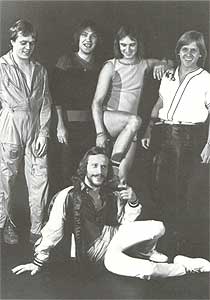
ABACUS is surely a big name for everyone interested in rock music.The band, formed in 1971, made their breakthrough at the Germersheim rock festival. There, they drew as much applause from the 300,000 visitors as did PINK FLOYD, SANTANA or EMERSON, LAKE & PALMER, all of which appeared on stage as well. ABACUS published 4 LPs, the last 3 beeing recorded at Giorgio Moroder's "MUSICLAND". Global record sales, numerous national and international tours, TV and radio shows helped ABACUS became a top act— not only in Germany.
ABACUS generated the same dense sound on stage as in the studio. Maybe that's why they became a crowd-puller for many years and countless shows.
Musical differences about future record productions were, among other things, responsible for the break up of the band in 1976. Klaus Kohlhase, bass guitarist and motor of ABACUS, revived the band in 1979. He eventually found the musicians who helped to refine ABACUS' sound.
Der Name ABACUS ist sicherlich jedem, der sich für Rock-Musik interessiert, ein Begriff. Die 1971 gegründete Band schaffte ihren Durchbruch auf dem Germersheim-Rockfestival, wo ABACUS nicht weniger Beifall der über 300 000 Besucher verbuchen konnte als die ebenfalls auftretenden PINK FLOYD, SANTANA oder ELP. In der Folgezeit veröffentlichte die Gruppe vier Langspielplatten, von denen die letzten drei in Giorgio Moroders "MUSICLAND" aufgenommen wurden. Aufgrund der in aller Welt verkauften Platten, zahlreichen Tourneen im In- und Ausland, TV- und Radiosendungen wurde ABACUS nicht nur in Deutschland zu einem Top-Act.
ABACUS lieferten auf der Bühne den gleichen dichten Sonnd wie im Studio. Vielleicht wurden sie gerade deshalb zum Kassenmagneten unzähliger Veranstaltungen.
Musikalische Differenzen für künftige Plattenproduktionen waren u. a. dafür ausschlaggebend, daß die Band sich 1976 auflöste. Klaus Kohlhase, Baßgitarrist und "Motor" der ABACUS, hat ABACUS 1979 wieder ins Leben gerufen. Nach langer Suche fand er die Mitspieler, die gemeinsam mit ihm den Sound der ABACUS weiterentwickelten.
ABACUS generated the same dense sound on stage as in the studio. Maybe that's why they became a crowd-puller for many years and countless shows.
Musical differences about future record productions were, among other things, responsible for the break up of the band in 1976. Klaus Kohlhase, bass guitarist and motor of ABACUS, revived the band in 1979. He eventually found the musicians who helped to refine ABACUS' sound.
Der Name ABACUS ist sicherlich jedem, der sich für Rock-Musik interessiert, ein Begriff. Die 1971 gegründete Band schaffte ihren Durchbruch auf dem Germersheim-Rockfestival, wo ABACUS nicht weniger Beifall der über 300 000 Besucher verbuchen konnte als die ebenfalls auftretenden PINK FLOYD, SANTANA oder ELP. In der Folgezeit veröffentlichte die Gruppe vier Langspielplatten, von denen die letzten drei in Giorgio Moroders "MUSICLAND" aufgenommen wurden. Aufgrund der in aller Welt verkauften Platten, zahlreichen Tourneen im In- und Ausland, TV- und Radiosendungen wurde ABACUS nicht nur in Deutschland zu einem Top-Act.
ABACUS lieferten auf der Bühne den gleichen dichten Sonnd wie im Studio. Vielleicht wurden sie gerade deshalb zum Kassenmagneten unzähliger Veranstaltungen.
Musikalische Differenzen für künftige Plattenproduktionen waren u. a. dafür ausschlaggebend, daß die Band sich 1976 auflöste. Klaus Kohlhase, Baßgitarrist und "Motor" der ABACUS, hat ABACUS 1979 wieder ins Leben gerufen. Nach langer Suche fand er die Mitspieler, die gemeinsam mit ihm den Sound der ABACUS weiterentwickelten.
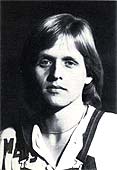
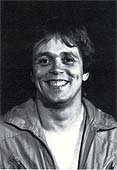
Jürgen Wimpelberg (28),
keyboards, vocals,
guitars
ex-member of "TIME OF
COMMOTION", Composer
of a Rock Opera
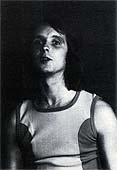
Rainer Niklowitz (28),
drums
ex-member of
"ELECTRIC MUD"
Norbert Leifert (28),
keyboards, vocals, flutes
ex-member of LIVE
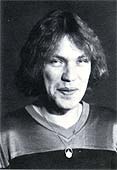
Klaus Kohlhase (29),
basses
since 1971 bass player
and "motor" of ABACUS
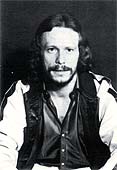
Manfred Heilmann (26),
leadvocals, guitars
years of experience as
studio musician